
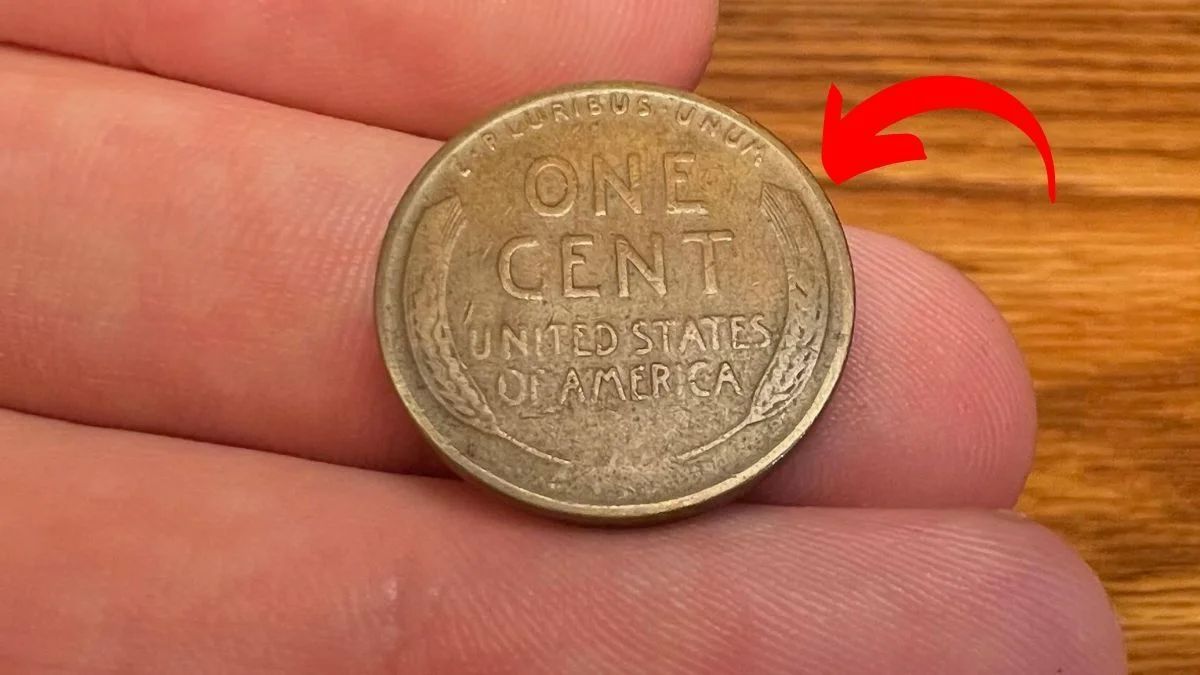
The Lincoln Wheat Penny is one of the most well-known and widely collected coins in American history. These one-cent coins were produced from 1909 to 1958 and were used during many important moments in U.S. history. Most wheat pennies are very common and worth only one cent today. However, a very small number of rare examples have sold for extremely high prices, with a few reaching values close to 1.9 million dollars. These rare coins prove that even everyday pocket change can become valuable under special conditions.
Why the Lincoln Wheat Penny Matters
The Lincoln Wheat Penny was first released in 1909 to mark 100 years since the birth of Abraham Lincoln. It was the first U.S. coin to feature a real person instead of a symbolic figure. The front shows Lincoln’s portrait, while the back displays two wheat stalks that represent growth and unity. Because these coins were used during events such as World War I, the Great Depression, and World War II, they also hold strong historical importance.
The Famous Wartime Error Pennies
The most valuable wheat pennies are usually error coins, especially those made during wartime. The most famous example is the 1943 copper wheat penny. In 1943, pennies were supposed to be made from steel because copper was needed for the war. By mistake, a few pennies were struck on leftover copper blanks. Only a handful of these coins exist today, making them incredibly rare. When found in excellent condition and properly verified, these pennies have sold for nearly 1.9 million dollars.
Other Rare and Valuable Wheat Pennies
Some other wheat pennies are also highly valuable, even if they are not worth millions. The 1909-S VDB penny is valuable because it was made in small numbers and shows the designer’s initials. The 1914-D penny is rare due to low production and heavy circulation. Another interesting coin is the 1922 penny with no mint mark, caused by a production error. The 1944 steel penny is also rare and valuable because pennies were supposed to return to copper that year.
How to Check Old Pennies
Anyone with old pennies can check the date, mint mark, and metal type. For example, a real 1943 copper penny will not stick to a magnet. Coins with unusual features or errors should be handled carefully and examined closely. The condition of the coin also plays a big role in its value.
Getting Professional Help
If a penny appears rare, professional grading and authentication are very important. Experts can confirm whether a coin is real and estimate its value. Coins should never be cleaned, as cleaning can greatly reduce value. Proper storage and careful handling help protect collectible coins.
While finding a million-dollar wheat penny is very rare, discovering a valuable one is still possible and can be exciting for both collectors and beginners.
Disclaimer
This article is for general informational purposes only and does not provide professional investment or numismatic advice. Coin values change over time and depend on rarity, condition, and market demand. Prices mentioned represent rare and exceptional cases and are not typical. Readers should seek professional evaluation and conduct independent research before buying, selling, or investing in collectible coins.

